
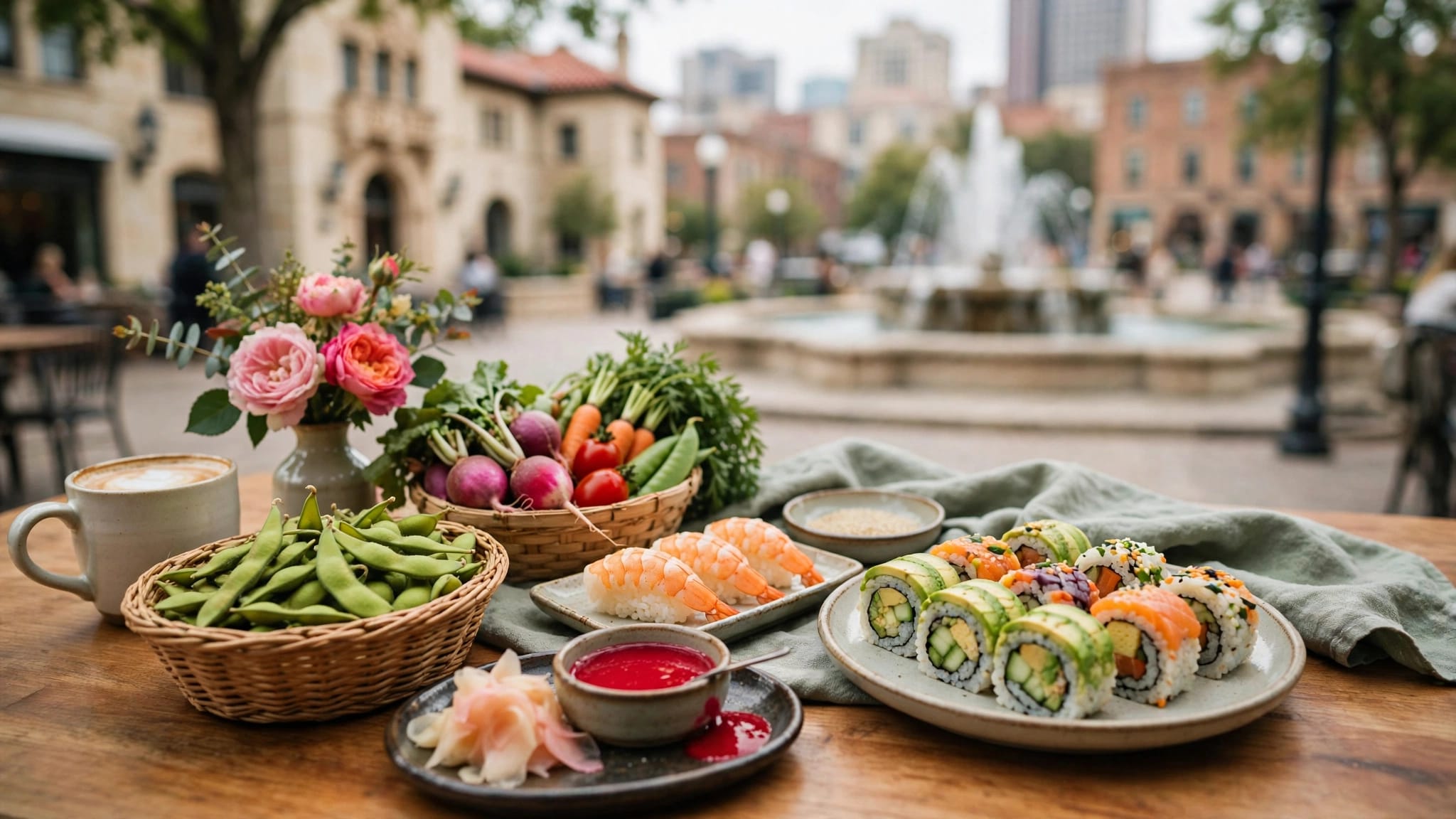
Sushi for Beginners: What to Order at KC Restaurants

The first sushi order can feel like a pop quiz where nobody handed you the study guide. There are mysterious names, unfamiliar flavors, and a tiny pile of green paste that looks more aggressive than dinner should.
The good news is that sushi for beginners doesn’t need to start with raw fish or an expensive chef’s tasting menu. Kansas City has plenty of approachable options for easing in, one comfortable bite at a time.
Start with food you already like, then let a beginner-friendly sushi choice guide your curiosity.
Sushi for beginners: learn the menu without overthinking it
Sushi is not one single thing. It is a broad family of dishes built around seasoned sushi rice, seafood, vegetables, seaweed, and sometimes cooked ingredients. Once you recognize rolls, nigiri sushi, sashimi, and hand rolls, the sushi menu gets much less intimidating.
Rolls are the easiest starting point
A maki is the familiar sliced sushi roll. It usually has rice and fillings wrapped in nori, the dark green sheet of seaweed. Some rolls have nori on the outside, while inside-out rolls put rice on the outside.
A California roll usually includes imitation crab, avocado, and cucumber. The crab filling is cooked and mild, which makes it approachable for beginners. It was created in the United States, not Japan, but that does not make it a lesser choice.
Other friendly first-roll choices include a cucumber roll, an avocado roll, vegetable maki, a shrimp tempura roll, and a philadelphia roll with smoked salmon and cream cheese. If you are hesitant about seaweed, an inside-out roll may feel like the softer landing spot.
Nigiri and sashimi are simpler than they look
Nigiri sushi is a hand-formed piece of rice with fish or another topping laid over it. Salmon nigiri, cooked shrimp nigiri, and tamago (sweet Japanese omelet) are common beginner picks.
Sashimi is sliced fish or seafood without rice. It is lovely when you want to taste the fish on its own, but it is not where most nervous first-timers need to begin.
Cone-shaped nori wraps are usually made to eat with your hands. They are casual, a little messy, and honestly pretty fun.
If a menu has you frozen, order one cooked roll and one simple nigiri. You get familiar flavors, plus one small step into something new.
Pick a Kansas City spot that feels low-pressure
A first sushi dinner should feel like dinner, not a test. Look for a sushi restaurant with clear menu descriptions and cooked choices. Staff shouldn’t make you feel odd for asking what something is.
Kura Revolving Sushi Bar on the Plaza offers an easy format, since you can see small plates pass by before choosing. Its menus include nigiri, sashimi, shrimp options, and rolls such as a Philadelphia roll, though the company notes that selections vary by location.
If you want something more relaxed and neighborhood-oriented, Friends Sushi & Bento Place is another KC name to keep on your list. Calling ahead or checking online before you go is smart, especially if you need vegetarian, gluten-free, or fully cooked options.
Save a more adventurous meal for later
Noka’s menu is more of a special-occasion sushi experience. Its seasonal sample menus offer a glimpse of what a sushi chef may serve, with items such as a salmon sushi donut, a rotating sushi taco, and toro-based rolls. That can be a great next-level meal once you know you enjoy sushi, but there is no rule saying you have to begin there.
Menus, prices, and availability change. Check the current sushi menu before leaving the house to avoid the awkward “wait, they don’t have that anymore?” moment.
For visitors, sushi can also fit into a fuller evening of Things to do in Kansas City. Pair dinner with a stroll around the Plaza, or save a more polished meal for a date night near a show. There are plenty of restaurants near Union Station if your plans already have you downtown.
Your first order: cooked, calm, and still delicious
You don’t need to “learn to like raw fish” to enjoy sushi. A good first order offers contrast: something warm and crunchy, something fresh, and maybe one small wild-card bite.
A safe first-round order
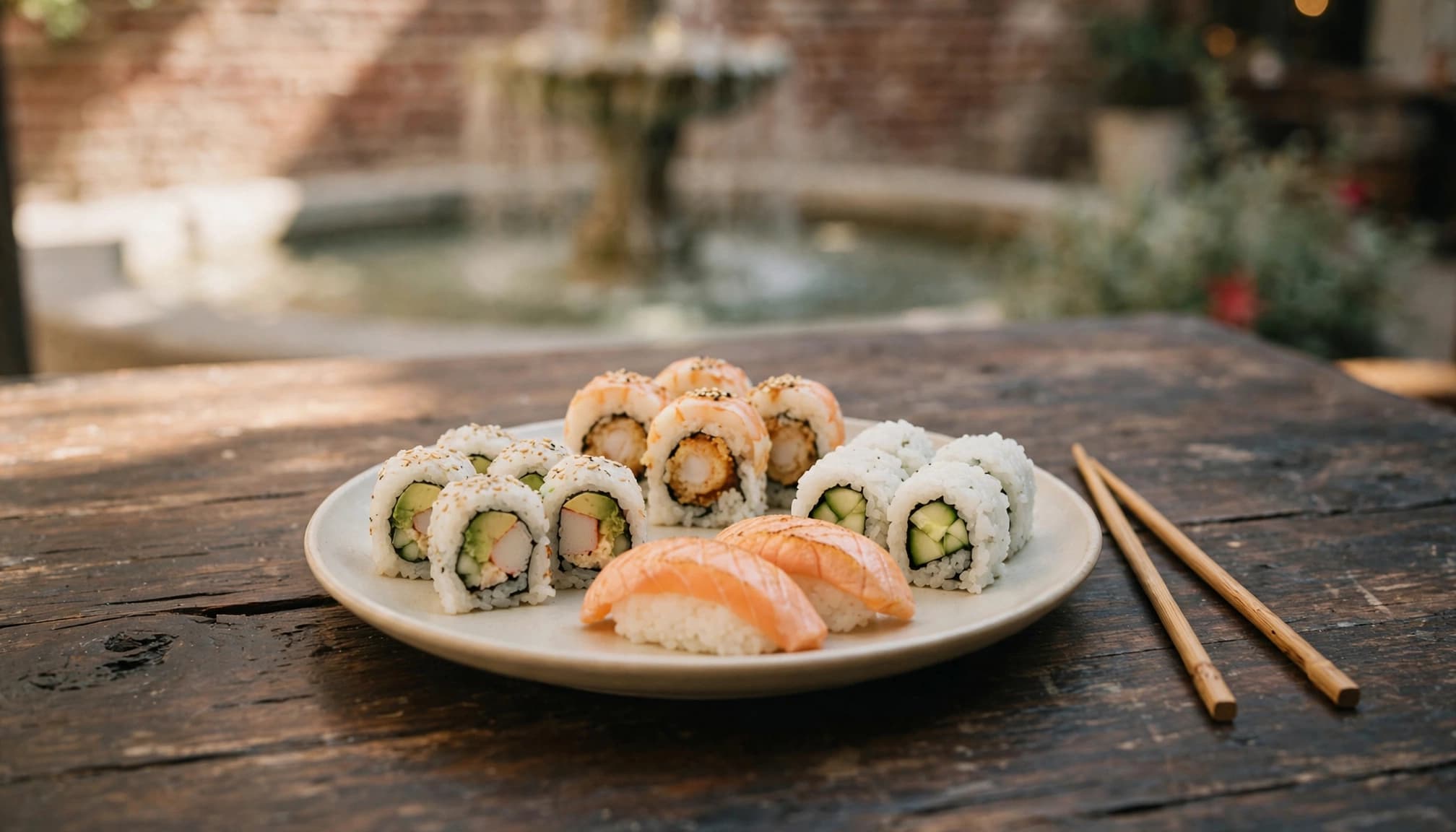
When deciding what to order at a sushi restaurant, start with one sushi roll, plus one or two pieces of nigiri sushi if you’re curious. A standard cut roll often has six to eight pieces, so it can be plenty with miso soup, edamame, or a small salad.
These options cover cooked sushi, vegetarian rolls, and a gentle introduction to uncooked seafood:
- A California roll gives you creamy avocado, cucumber crunch, and a mild filling.
- A shrimp tempura roll has fried shrimp, so it feels closer to familiar comfort food.
- A cucumber roll is simple, vegetarian, and clean-tasting.
- Tamago or cooked shrimp nigiri lets you try the nigiri format without uncooked seafood.
- A tuna roll offers a straightforward flavor if you’re ready to try a raw option.
- Miso soup and edamame are easy table starters if your group needs a minute to decide.
Skip the spicy tuna roll on visit one if you’re unsure about heat or uncooked seafood. The word “spicy” can mean a pleasant little kick, or it can sneak up on you halfway through the plate.
How much sushi should one person order?
There is no magic piece count because roll sizes vary by restaurant. One roll plus an appetizer is a reasonable light dinner. Two rolls, or a roll with a few nigiri pieces, works for a hungrier appetite.
Going with friends helps. Order a few rolls to share, then you can try more without being stuck with eight pieces of something you don’t love. Sushi is one of the better meals for the “can I have one bite?” approach.
Move toward raw fish at your own pace
After a cooked roll, the next step doesn’t have to be a dramatic leap. Eel nigiri offers a cooked, sweeter option before you try raw fish. Think of it like trying a new coffee order. You don’t begin with the strongest thing on the board.
Start with salmon or tuna nigiri
Salmon is rich and buttery. Tuna is leaner and cleaner. Both let you taste a familiar fish without several sauces, crunchy toppings, and cream cheese competing for attention.