Federal Reserve Money Museum: A Kansas City Visitor’s Guide

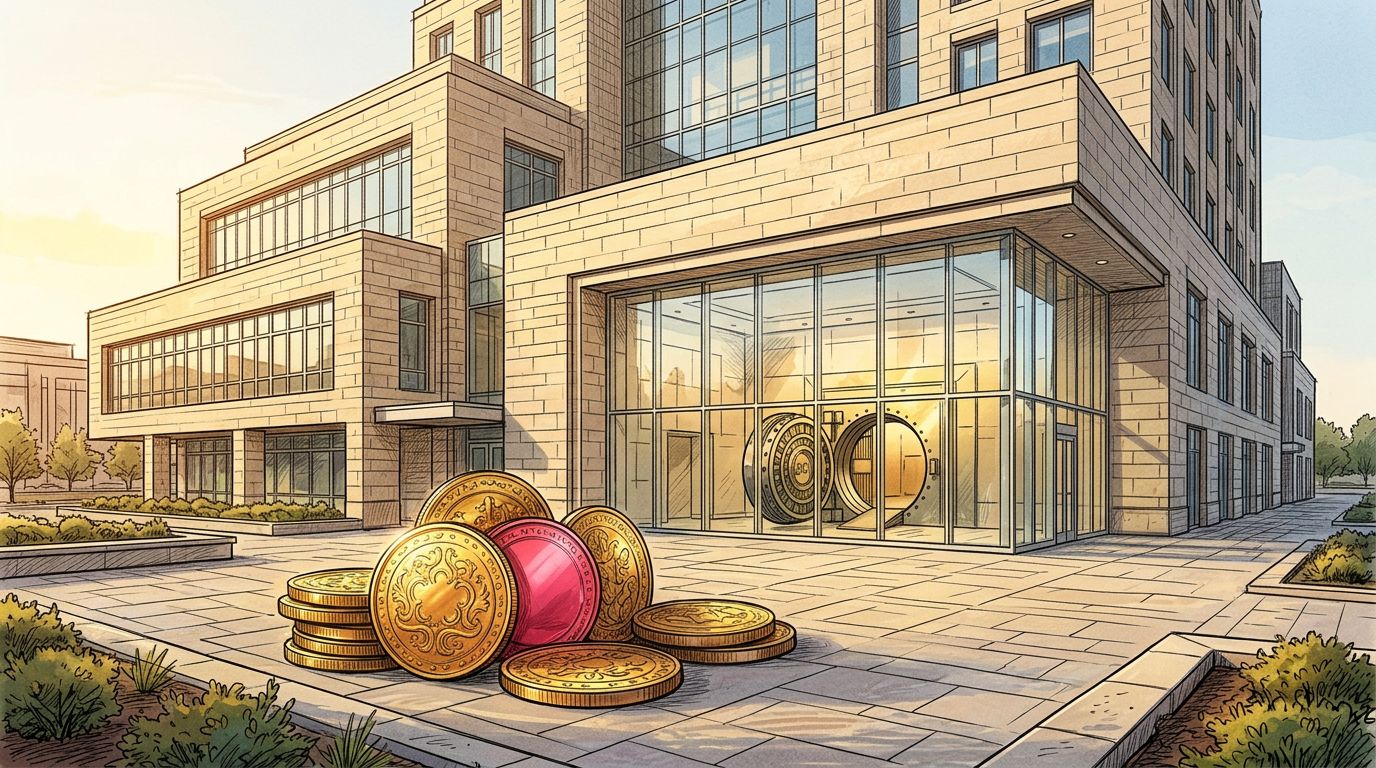
The Federal Reserve Bank of Kansas City is home to the Federal Reserve Money Museum. Visitors get free admission, exhibits to explore at their own pace, a working vault to watch, and a real bar to try lifting. You don’t need tickets, but you do need to plan around weekday hours and bank security.
We like an outing that doesn’t require a ticket budget, especially when several generations are coming along. Start with the hours and entry rules, then leave yourself enough time to enjoy what’s inside.
Money Museum hours, admission, and location
The museum is inside the Federal Reserve Bank of Kansas City.
Check the opening hours and other details before you go.
| Planning detail | What to know |
|---|---|
| Address | 1 Memorial Drive, Kansas City, MO 64198 |
| Hours | Monday through Friday, 9:30 a.m. to 4 p.m. |
| Last entry | 3:30 p.m. |
| Closed | Saturdays, Sundays, and Bank holidays |
| Admission | Free for all ages |
| Tickets | No tickets required for self-guided visits |
| Phone | 816-881-2683 |
| Website | Official Money Museum visitor information |
The weekday schedule can catch people off guard. It works for a day off, a school break, or a weekday itinerary, but not a Saturday museum trip.
The 3:30 p.m. cutoff is the last entry time, not a suggested arrival time. Arriving then leaves only half an hour before closing, and security takes part of that time.
What to bring for security and entry
You’re entering a working Federal Reserve Bank, so arrival feels different from walking into a neighborhood gallery. Everyone goes through security screening, including a metal detector, and bags pass through an X-ray machine.
Visitors 18 and older need government-issued photo identification. U.S. residents can bring a state-issued ID or passport. International visitors need a valid passport.
Keep your bag simple. Weapons, pocketknives, and pepper spray aren’t allowed, and bags need to fit through the screening equipment. Wagons and recreational devices such as skateboards and non-mobility scooters aren’t allowed inside.
Food and drinks must stay stored while you’re in the museum. If you’re bringing children, having a snack before entering is easier than discovering halfway through that somebody is hungry.
Ordinary walk-in visits don’t require reservations. School tours seeking a guided visit need to arrange that separately.
No ticket is required, but adult identification is. Put your ID with your keys before leaving home.
The exhibits worth making time for
Watch cash move through a working facility
The working vault and processing viewing area are the museum’s biggest draw. Visitors can watch staff and machines handle bills, while robots transport millions of dollars through the facility.
There’s something satisfying about seeing the process behind an everyday object. Bills get sorted and moved in quantities most of us will never encounter at a bank counter.
This is an operating workplace, so the activity you see depends on what’s happening during your visit. You’re observing through the designated viewing area, rather than walking onto the processing floor or entering the vault.
Try lifting the real gold bar
The gold bar is the exhibit that turns a financial subject into something you can feel. Visitors can try lifting a real bar within its secured display.
It’s a simple interaction, and that’s part of the appeal. You don’t need any background in economics to appreciate how different gold feels from an ordinary object of a similar size.
Give everyone in your group a turn. Comparing reactions is part of the fun, particularly when someone approaches the display feeling very confident.
Look for fake bills and familiar currency
The counterfeit money exhibit asks you to look more closely at bills. Interactive displays help visitors identify counterfeit money and tell genuine notes from counterfeit bills.
The museum also has historical displays, interactive stations about money and the economy, and the Harry S. Truman Coin Collection. You can spend time with the subjects that interest you and pass more quickly through others.
That freedom helps with mixed-age groups. Someone can study older notes while another person heads toward a hands-on station, without everyone having to follow a guide’s pace.
Who will enjoy it, and how long should you allow?
A manageable stop for different ages
We’d allow 60 to 90 minutes, plus a little room for security. That’s a planning suggestion, rather than a required tour length.
Families, school groups, couples, and retirees all have something to work with here. Younger visitors have physical activities and moving machinery to watch. Older visitors may recognize currency they remember using.
You don’t have to read every panel for the visit to feel worthwhile. With children, we’d start with the vault, liftable-bar exhibit, and counterfeit display, then see how much attention remains.
A little context makes the exhibits better
The Kansas City museum opened in 2008. The Federal Reserve Bank of Kansas City is one of the country’s 12 regional Federal Reserve Banks. It’s part of the U.S. central bank system, and Kansas City heads the Federal Reserve’s 10th District.
That explains why a museum visit includes an active processing operation. You’re learning about money inside an institution that handles it.
Museum coordinator Elizabeth Hartzler has described the museum as a “hidden gem.” The appeal is easy to understand: you get a look at a process most people never see, without needing a whole day.
Accessibility inside the museum
Step-free access and accessible parking
The museum, exhibits, and interactive stations are on the Bank’s main level. Visitors don’t need stairs, ramps, or elevators to move through the museum.
Free designated accessible parking is available for vehicles displaying a valid disability placard or plate. Those spaces are first-come, first-served.
A drop-off area is available in the circle drive directly outside the visitor entrance. Curb cuts connect the parking-lot sidewalk with the entrance, which helps when someone needs a shorter approach.
Maps, captions, and other accommodations
Service animals are welcome, and Braille museum maps are available. The Bank also offers arrangements for visitors who are blind or have low vision.
Video content in the museum app has open captions. Free ASL interpretation is available for guided tours with advance arrangements; guided tours require 15 days’ notice.
The Bank’s Money Museum accessibility information describes these accommodations. For a specific accessibility arrangement, contact the museum at 816-881-2683 or KCMoneyMuseum@kc.frb.org.
That distinction matters for planning: the self-guided museum is a walk-in visit, while an interpreter-supported guided visit needs advance preparation.
Parking, streetcar access, and getting to the entrance
Free visitor parking is available on the west side of the building during museum hours. Spaces are limited, and the lot is accessed from the west.
The Bank’s parking and arrival directions describe approaches using Broadway to West 29th Street, or 31st Street to Wyandotte. Nearby sidewalks provide pedestrian access.
If you’re using the KC Streetcar, the Bank identifies the WWI Museum & Memorial stop at 27th and Main for museum visitors. You’ll still have an outdoor walk to the entrance, so dress for the weather.
We’d use the visitor lot if the Money Museum is your main stop. The streetcar makes more sense when you’re already spending time along the route and want to avoid moving the car between activities.
Either way, allow time to reach the correct entrance before the last-entry cutoff.
Nearby attractions that fit the same outing
Add the National WWI Museum and Memorial
The National WWI Museum and Memorial is the closest major museum pairing to consider. It’s at 2 Memorial Drive, while the Money Museum is at 1 Memorial Drive.
Our National WWI Museum visitor guide covers tickets and a first-visit route. Keep the two museums’ admission arrangements separate: free entry at the Federal Reserve doesn’t include admission elsewhere.
We’d put the Money Museum earlier in the day, since its 4 p.m. closing limits your flexibility. Leave the second visit some breathing room, too. Two museums can be a pleasant day, but reading every display in both is a bigger commitment.
Leave room for the Crossroads
The Crossroads Arts District is another nearby area to build into the day, especially if you’d rather follow a museum with galleries and a meal.
For a first-Friday visit, our Crossroads First Fridays guide can help with the evening portion. The Money Museum closes before the evening gets going, so treat them as separate parts of the outing.
When you’re choosing things to do in Kansas City, staying in this part of town cuts down on driving. One daytime attraction, something to eat, and a little wandering is a perfectly good plan.
Key takeaways before you leave home
- Bring government-issued photo ID for every visitor age 18 or older.
- Give yourself time for security rather than arriving at the last-entry cutoff.
- Keep snacks stored and leave pocketknives, pepper spray, and recreational scooters behind.
- Start with the vault, liftable-bar exhibit, and counterfeit display if your group has limited time.
A smaller bag and a little schedule space will make arrival easier. There’s no ticket purchase to sort out, so those practical details deserve most of your attention.
Frequently asked questions
Is the Federal Reserve Money Museum free for seniors?
Yes. Admission is free for seniors, adults, and children. There’s no separate senior rate because the self-guided museum visit doesn’t have an admission charge.
Can you get money from the Federal Reserve during your visit?
The museum isn’t a retail bank branch where visitors can withdraw money or open accounts. The funds on display belong to the Bank’s operations, and the gold bar stays in its secured exhibit.
Can you enter the working vault?
Visitors can observe staff processing currency from the designated viewing area. Museum admission doesn’t provide access to the secure working floor. You can watch the operation without entering areas where staff handle currency.
A free outing that rewards a little planning
The Money Museum gives you something unusual for a short Kansas City outing: a look at cash being handled inside a working Reserve Bank.
The main planning job is simple. Choose a weekday, bring your ID, and arrive with enough time before last entry.
Then let the exhibits set the pace. Watching the process, testing the bar’s weight, and noticing the details on a bill are plenty to build a visit around.