
Korean Food in Overland Park: A Local's Eating Guide
· · ·

Korean Food in Overland Park: A Local’s Eating Guide

Overland Park is where you go when the usual dinner plans feel a little tired. Enjoying great Korean food brings the whole table into it, with bubbling soups, sizzling meat, little side dishes, and enough choices that nobody has to settle for sad fries.

If you are searching for Korean food Overland Park, the good news is that the city has more than one kind of meal waiting for you. You can make a night of barbecue, grab fried chicken, or settle in with a hot stone bowl of bibimbap.

Here is how to pick a place, order without overthinking it, and leave happy instead of wondering what half those little dishes were.
Key Takeaways

  • Overland Park features diverse dining options, meaning every local Korean restaurant offers everything from barbecue and bibimbap to fried chicken, hot pot, kimbap, and comforting soups.
  • Popular spots like Chosun, Choga, Gangnam, Sobahn, KokoDak, KPOT, and 92 Chicken all give you a different reason to show up hungry.
  • Korean BBQ is built for groups, but bibimbap and soups are easy, satisfying solo orders.
  • Banchan, which refers to the traditional side dishes served before the meal, should be sampled right away.
  • Spice can be real, so ask the staff for a recommendation if you like heat but don’t want your dinner to become a personal challenge.
Korean Food Overland Park Has More Than Barbecue

Korean barbecue gets the attention, and fair enough. Meat cooks at the table, the smell follows you out the door, and the whole dinner feels like an event. But it is only one lane in the world of traditional Korean food.

Overland Park has become a reliable stop for Korean cuisine in the metro, particularly along Metcalf Avenue. You will find casual counters, family-style restaurants, markets with prepared food, barbecue dining rooms, and places that specialize in chicken or hot pot. It makes planning easier because you can match the meal to your mood.

Want a big Friday night dinner with friends? Pick barbecue or KPOT. Need something warm after a long day? Look for soup, soft tofu stew, or dolsot bibimbap. Craving something crunchy and shareable while watching a game? Korean fried chicken is waiting for you.

The names can be unfamiliar at first, but the food itself isn’t hard to love:

  • Bulgogi is thinly sliced bulgogi beef, usually sweet-savory and tender from a soy-based marinade.
  • Galbi is a savory beef short rib. It is rich, a little sweet, and made for the grill.
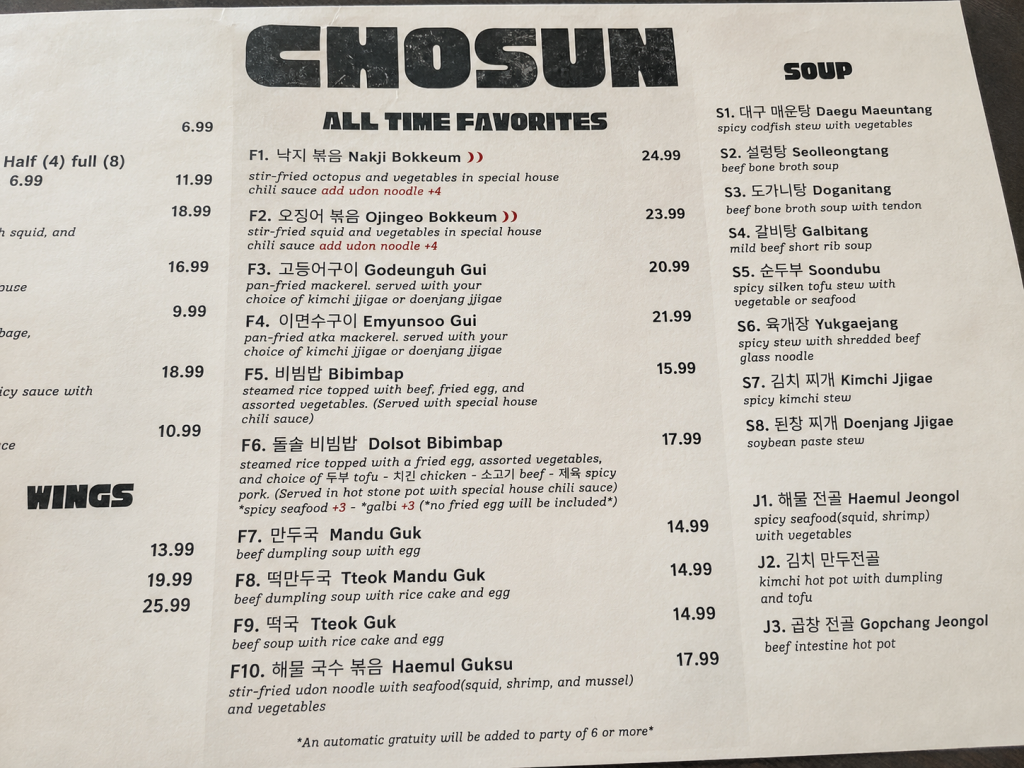
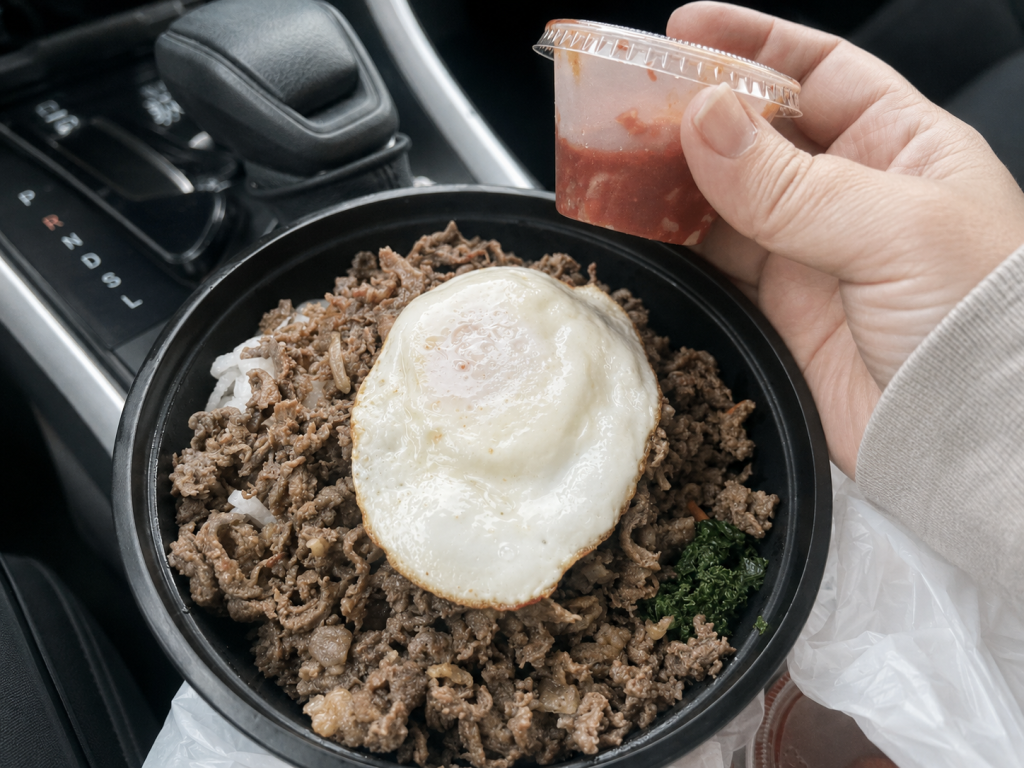
  • Bibimbap is a vibrant bibimbap rice bowl topped with vegetables, protein, egg, and gochujang, which is a red chile paste.
  • Kimchi is fermented, seasoned vegetables, most often napa cabbage. A good serving of kimchi can be tangy, spicy, crisp, and funky in the best way.
  • Kimbap shares roots with Korean street food favorites and looks a little like sushi rolls, but it is seasoned rice and fillings wrapped in seaweed, usually without raw fish.

The best first Korean meal is not necessarily the biggest one. Order something you recognize, then add one dish you do not.

That little bit of curiosity goes a long way here. Korean meals reward sharing, but they also give picky eaters plenty of safe places to start.
Pick Your Restaurant by the Kind of Night You Want

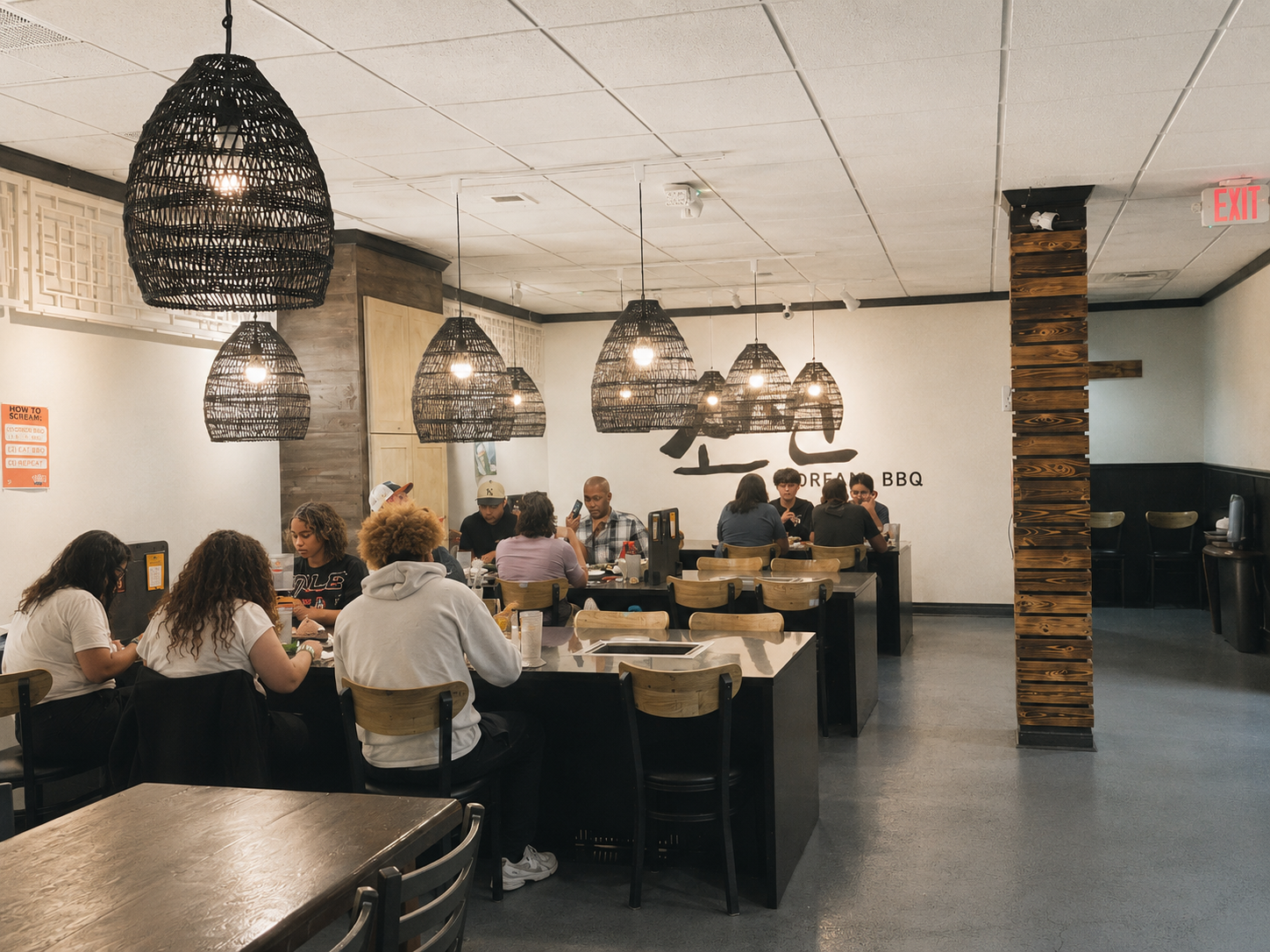
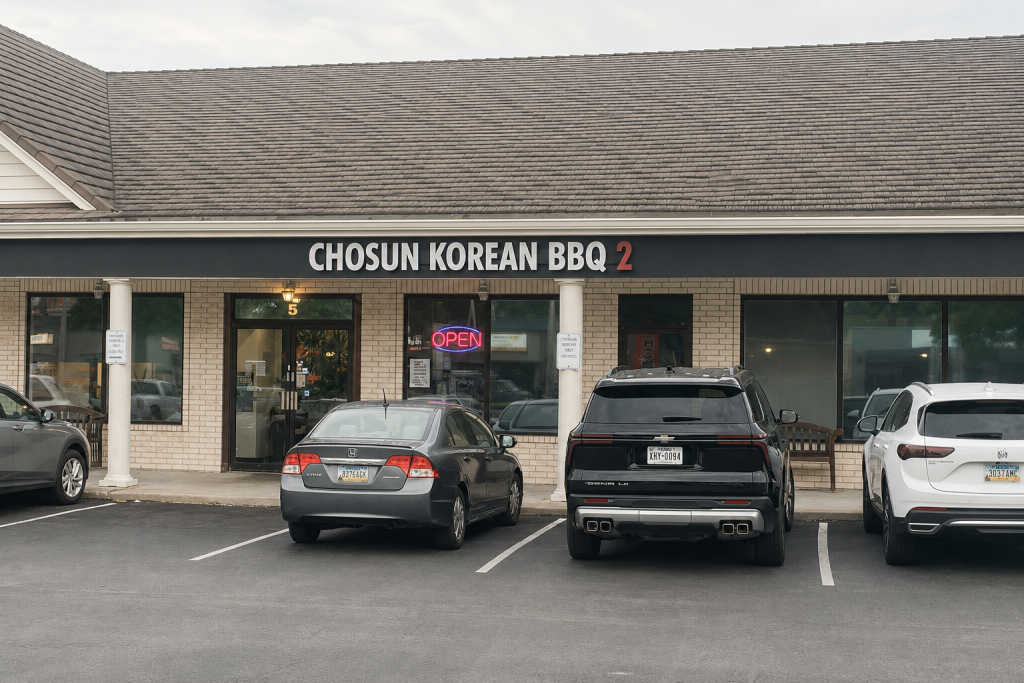
For a classic tabletop BBQ dinner, Chosun Korean BBQ at 12611 Metcalf Avenue is a longtime Overland Park choice. The restaurant’s menu and barbecue details highlight staples such as galbi, pork belly, and bulgogi, all cooked right at your table. Chosun also makes it easy to order online if you want to enjoy your meal at home. Bring two to four people if you can. More people means more dishes, more shared bites, and less pressure to choose one thing.

Chosun is a good pick when dinner is the plan, not the quick stop before another plan. You sit down, settle in, and let the grill do its thing. It is not a meal you rush.

Choga Korean Restaurant, at 6920 W. 105th Street, is another solid name to know. Choga is known locally for Korean comfort food and kimchi, plus barbecue options. If your group includes people who are unsure about grilling their own meat, Choga has a broader menu that can make everyone feel less boxed in.

For bibimbap, Gangnam at 10326 Metcalf Avenue is worth remembering. A dolsot bibimbap arrives in a hot stone bowl. The rice at the bottom keeps cooking and gets crisp, which is the entire point. Mix it all together with gochujang, but start with a little paste. You can always add more.

That same Metcalf stretch is also home to 92 Chicken, a Korean fried chicken option. Think crackly coating, juicy meat, and sauces that can range from sweet garlic to serious chile heat. It works for takeout, low-key lunch, or a casual dinner where the table wants to share.

For a little extra browsing before you commit, the local Overland Park Korean restaurant listings can help you see what is nearby and what other diners are ordering. Still, restaurant hours and menus can change fast, so check a restaurant’s current website or call before driving across town.

Korean Barbecue Etiquette Without Making It Weird

Korean BBQ has rules, but they are normal human rules. Don’t worry about doing it perfectly.

Your server may handle the grill, cook the meat, or give your table a quick rundown. Follow their lead. If you are cooking, do not pile every piece of meat onto the grill at once. Give it some room. When you are grilling cuts like pork belly, the fat needs space to render and sizzle so the edges get properly browned instead of steaming.

Banchan will likely arrive before the meat. These small side dishes set around the table can include kimchi, pickled radish, marinated potatoes, fish cake, bean sprouts, or spicy cucumber. They are not garnish. Eat them with rice and grilled meat, then take another bite. The balance is the fun part.

A lettuce wrap, often called ssam, is also simple. Put a piece of grilled meat in the leaf, add rice or garlic if you want it, then fold it into a manageable bite. Do not build a lettuce burrito the size of your head. We have all made choices at dinner, but you do not need that one.

If someone offers to cook for the table, let them. They probably have a system. And if you are the designated grill person, keep an eye on the meat. Korean BBQ can go from caramelized to charred in a hurry.

Groups of three or four are the sweet spot for barbecue. You can order a few proteins, share rice and soups, and try more banchan. Larger groups can work too, but call ahead for seating, especially on Friday or Saturday nights.

Go Beyond the Grill With Bibimbap, Chicken, and Hot Pot

There are nights when you want Korean food but you don’t want to smell like a grill afterward. Overland Park has answers for that.

Sobahn, at 7800 Shawnee Mission Pkwy, is one spot to consider for authentic Korean bibimbap. This is a dependable order for people who want a complete meal in one bowl. You get rice, vegetables, egg, and your choice of protein, with the option to make it as spicy as you like.

KokoDak, at 14856 Metcalf Avenue, focuses on Korean fried chicken. Korean-style chicken often has a thinner, crunchier shell than standard American fried chicken, and the sauce matters as much as the crunch. If your table has mixed heat tolerance, order one mild or soy-garlic option and one spicy choice. Nobody has to prove anything with the hottest sauce.

KPOT Korean BBQ & Hot Pot, at 7001 W. 135th Street, is a good group pick when half the table wants grilled meat and the other half wants a hot pot filled with broth, vegetables, noodles, and thin-sliced protein. Hot pot is slower and more social than a regular dinner. You add ingredients in stages, fish them out when they are ready, and keep going. If you venture beyond the suburbs to places like Chingu in Westport, you will find even more creative variations of these comforting dishes across the greater Kansas City area.

For a low-key snack or market stop, Oriental Supermarket on Metcalf is also worth knowing. Prepared kimbap is an easy introduction to Korean food, especially if you want something portable and not too spicy.

If you are planning a whole weekend around meals, concerts, museums, and wandering around town, add these restaurants to your running list of Things to do in Kansas City. A great dinner can be the plan, or it can be the part that makes the rest of the plan better.

Spice, Dietary Needs, and a Few Smart Questions

Korean food is not automatically spicy, but chile shows up often enough that it is worth asking. Bulgogi is usually mild. Plain rice, grilled meats, japchae noodles, and many fried chicken sauces can also be approachable. Kimchi, gochujang, spicy tofu stew, and certain chicken sauces may bring more heat.

Tell your server what you need before ordering. A simple “I like spicy food, but not painfully spicy” is useful information. So is asking whether a dish contains fish sauce, anchovy stock, shellfish, egg, or sesame.

Vegetarian diners can often find vegetable bibimbap, tofu dishes, rice, and vegetable sides. The catch is that some broths and banchan use seafood-based ingredients, even when the dish looks meat-free. Vegan diners should ask carefully about kimchi, stock, sauces, and egg.

Gluten-free dining also takes a little conversation. Soy sauce is common in marinades and dipping sauces. Rice, plain grilled meats, and some vegetable dishes may work, but cross-contact and sauces matter.

Banchan can contain seafood, meat, or fish-based seasoning even when the plate appears to be only vegetables.

Do not be shy about asking for help. Most places would rather guide you toward a good order than watch you gamble on a dish that does not fit your needs.

Frequently Asked Questions

What is banchan, and should I eat it?

Banchan refers to the traditional small side dishes served before your meal, such as kimchi, pickled radish, and seasoned sprouts. They are meant to be eaten alongside your rice and main dishes to balance the flavors, so definitely sample them right away.

Is all Korean food very spicy?

No, many dishes like bulgogi, galbi, and standard fried chicken are mild and savory. While ingredients like gochujang and kimchi add heat, you can easily find approachable options or ask your server for a milder recommendation.

Can vegetarians or gluten-free diners find options in Overland Park?

Yes, vegetarian diners can enjoy vegetable bibimbap and tofu dishes, though you should ask about seafood-based broths in the banchan. Gluten-free diners need to be careful with soy-based marinades and sauces, but plain grilled meats and rice are often safe options.

A Good Korean Meal Makes the Night Feel Longer

The magic of Korean food in Overland Park is that dinner does not have to be one fixed thing. It can be a fast box of fried chicken, a comforting bowl with crisp rice at the bottom, or a table full of people cooking and passing banchan around.

Start with the meal that sounds most like you, then order one new thing next time. Exploring Korean cuisine is easier to get into than it looks, and Korean food Overland Park gives you plenty of reasons to come back hungry.

Similar Posts